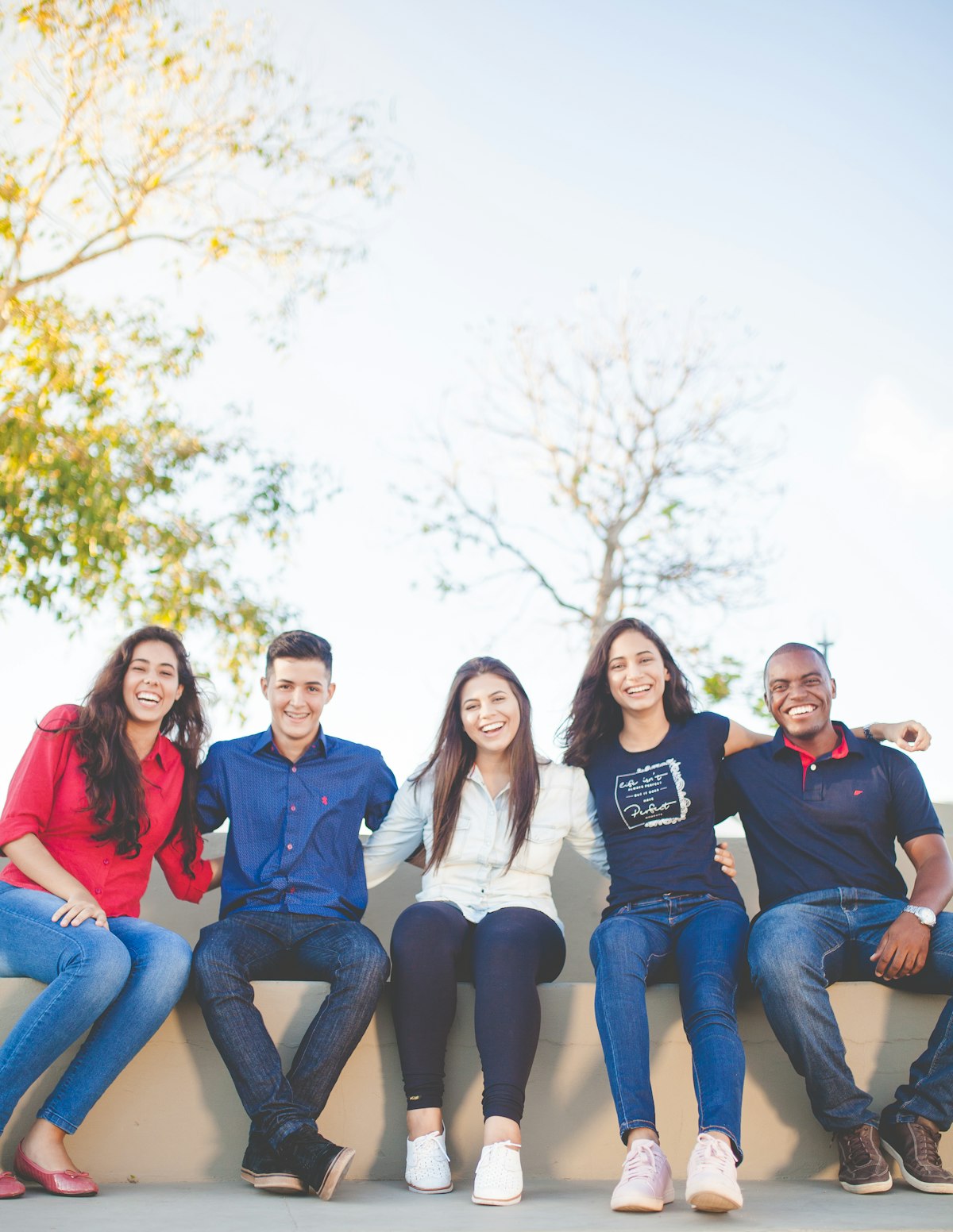


Intergenerational bonding, particularly the relationship between grandparents and grandchildren, is a source of joy, emotional support, and mutual learning. For seniors, spending time with younger generations provides mental stimulation, reduces feelings of loneliness, and offers a sense of continuity and legacy. For grandchildren, grandparents provide unconditional love, wisdom, and a link to family history, shaping their values and emotional maturity.
In Singapore's fast-paced society, finding time for intergenerational activities requires conscious effort and scheduling. Simple activities, such as cooking traditional family recipes together, playing classic board games, or visiting local attractions like the Zoo or Jewel Changi, are excellent for bonding. These shared experiences create lasting memories, facilitate conversation, and bridge the age gap in a relaxed environment.
Grandparents can share valuable life stories, historical insights, and cultural traditions that enrich their grandchildren's understanding of their heritage. Talking about life in Singapore during the early nation-building years, sharing family migration histories, and teaching traditional dialects or customs help pass down identity. This oral history fosters respect, deepens family roots, and ensures that traditions are preserved.
Intergenerational relationships also offer a unique opportunity for reverse mentoring, where grandchildren help grandparents navigate modern technology. Younger family members can teach seniors how to use video calling apps, share photos, play digital games, or access online services. This collaborative learning boosts the senior's digital confidence, keeps them connected, and fosters mutual respect between the generations.
Mdm. Halimah, a 69-year-old grandmother of four living in Woodlands, started a weekly "cooking and coding" day with her teenage grandchildren. She teaches them to prepare traditional Malay dishes, while they teach her how to use photo editing apps and play mobile games. This regular interaction has brought them closer, filled Mdm. Halimah's home with laughter, and bridged the generational gap.
In conclusion, strengthening bonds with grandchildren is a deeply rewarding aspect of retirement that enhances emotional wellness and family cohesion. By engaging in shared activities, passing down cultural heritage, and embracing technology learning, seniors can build meaningful relationships. Nurturing these intergenerational connections enriches your life, supports the youth, and creates a loving, supportive family environment.
To ensure you have all the facts and make the most of your golden years in Singapore, it is highly recommended to explore the wide range of resources and support channels available through various national agencies. The Health Promotion Board (HPB) offers numerous health initiatives, physical activity programs, and healthy eating guides that are specifically tailored to the needs of older adults. Additionally, the Agency for Integrated Care (AIC) serves as a centralized coordinate point for senior care, helping families navigate eldercare services, locate nearby active ageing centres, and apply for government financial assistance schemes such as CareShield Life, Pioneer Generation Disability Assistance Scheme, and Home Caregiving Grant. By staying informed and proactively accessing these public resources, you can ensure that you receive the necessary support to maintain an active, independent, and high-quality lifestyle throughout your retirement years.
Furthermore, fostering open communication and active engagement with family members, friends, and caregivers plays an essential role in ensuring emotional well-being and health security during retirement. Navigating the transitions of ageing is a collaborative family journey, and discussing your preferences regarding healthcare, daily routines, housing arrangements, and financial management can prevent future misunderstandings. Your loved ones can provide a critical emotional safety net, offer practical assistance in daily tasks, and help you navigate digital technology or medical appointments. Regular family gatherings, shared meals, and joint activities not only strengthen family ties but also bring immense joy and cognitive stimulation to seniors. Building a supportive and understanding home environment allows both retirees and their families to face the future with confidence, security, and mutual appreciation.
It is also important to recognize that active ageing is an ongoing, dynamic process of adaptation and self-discovery that requires seniors to remain flexible, open-minded, and resilient. As your physical abilities, health conditions, personal interests, and financial situations shift over time, it is vital to review and adjust your lifestyle strategies regularly. Do not hesitate to seek guidance from medical professionals, financial advisors, or community leaders when you encounter new challenges or transitions. Embracing new hobbies, joining different social circles, and learning new digital or practical skills can open up unexpected pathways of growth and fulfillment. By maintaining a positive growth mindset and viewing retirement as an exciting new chapter rather than an ending, you can face the natural changes of ageing with grace, dignity, and a sense of adventure.
Finally, remember that your golden retirement years represent a well-deserved season of celebration, self-expression, and personal freedom. After decades of hard work, career dedication, raising families, and contributing to Singapore's nation-building efforts, you have earned the right to prioritize your own desires, passions, and well-being. Whether you choose to travel the world, volunteer for local charities, pick up a musical instrument, or simply spend quiet, relaxing mornings in Singapore's beautiful botanic gardens, ensure that your daily activities align with what truly brings you happiness. Balancing physical health, financial stability, and emotional connections is the key to creating a rich, satisfying retirement. Celebrate your achievements, cherish your relationships, and live each day to the fullest, knowing that you are creating a meaningful and lasting legacy.
In addition, engaging in cognitive stimulation and regular intellectual exercises is just as important as physical exercise for maintaining overall health and independence. Seniors should make it a daily habit to challenge their minds through reading newspapers, solving crosswords, playing memory games, or practicing strategic board games like chess and checkers. The National Library Board (NLB) provides a wealth of reading materials, quiet study spaces, and educational workshops across its island-wide network of public libraries. Taking the time to read, research new topics, and discuss current events with friends keeps the brain sharp and builds cognitive reserve. By prioritizing cognitive workouts, you can protect your memory, enhance your problem-solving skills, and maintain mental clarity well into your senior years.
Moreover, maintaining physical mobility and strength through structured exercise programs is crucial for preventing chronic conditions and ensuring long-term independence. ActiveSG, the national sports agency, operates numerous gyms, swimming pools, and sports halls across Singapore, offering subsidized entry rates and specialized fitness classes for seniors. Participating in resistance training, water aerobics, or low-impact gym sessions helps build muscle mass, maintain bone density, and support cardiovascular health. Consistent physical activity also improves balance and flexibility, significantly reducing the risk of falls and related injuries. Combining regular physical workouts with a balanced diet creates a powerful synergy that promotes vitality, mobility, and confidence in daily activities.